Ancient Greek Nutrition

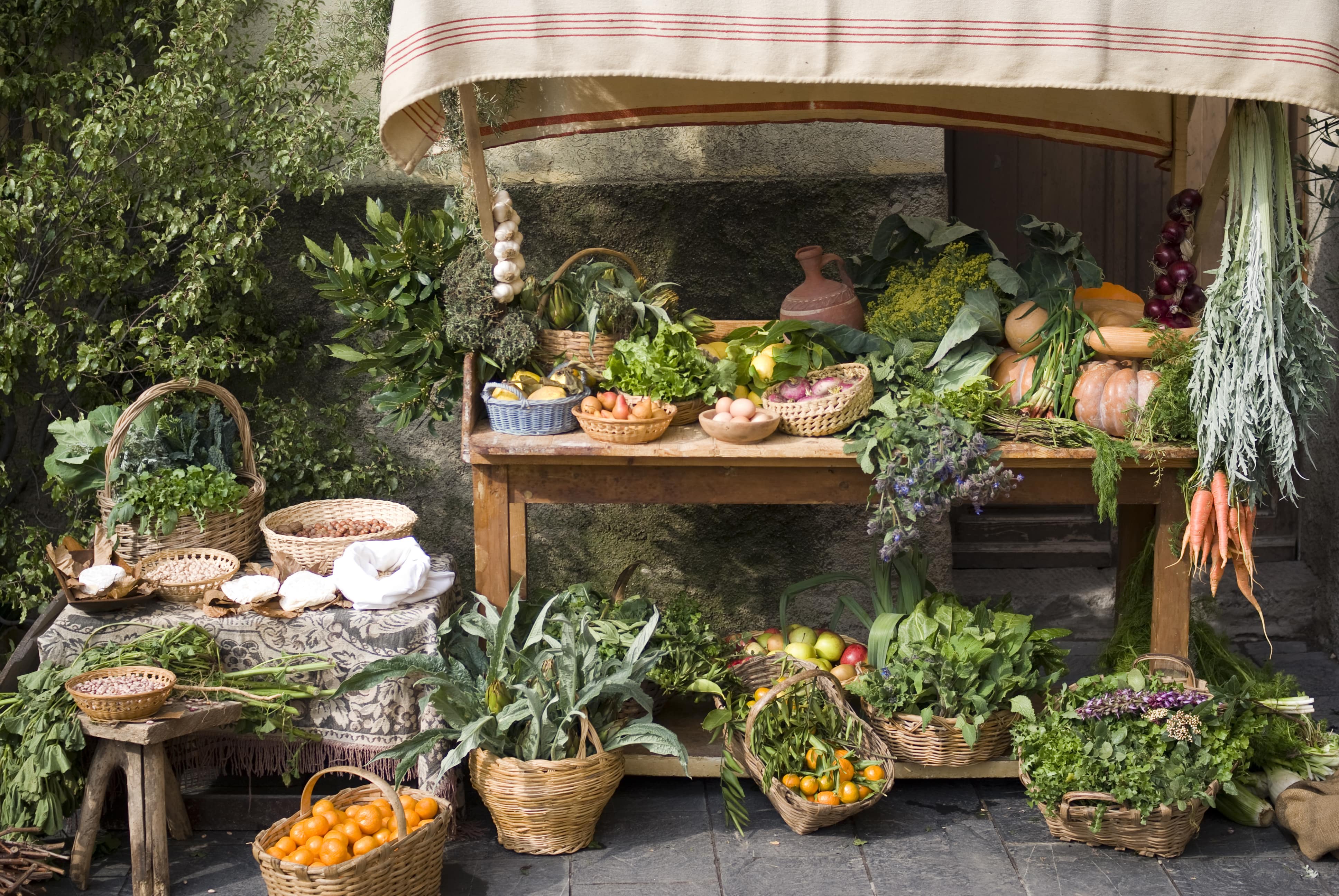
The nutritional habits in ancient Greece are saved either in ancient Greek and Roman literature or in artistic depictions of the time. Cereals and vegetables ranked first in their preferences. Wheat, barley and oats, but also lettuce, radishes, cucumbers, greens, onions, garlic, mushrooms, pumpkins, legumes such as beans, lentils and the chickpeas were served on a daily basis. Fruits made up the next largest food group within ancient Greek nutrition, such as grapes, apples, pears, pomegranates and figs. Nuts, olives, but also dairy products (milk, cheese, yogurt), eggs, honey, as well as herbs and spices (oregano, thyme, mint, parsley, silfio, … Read more

Tags:

Real Greek Yoghurt

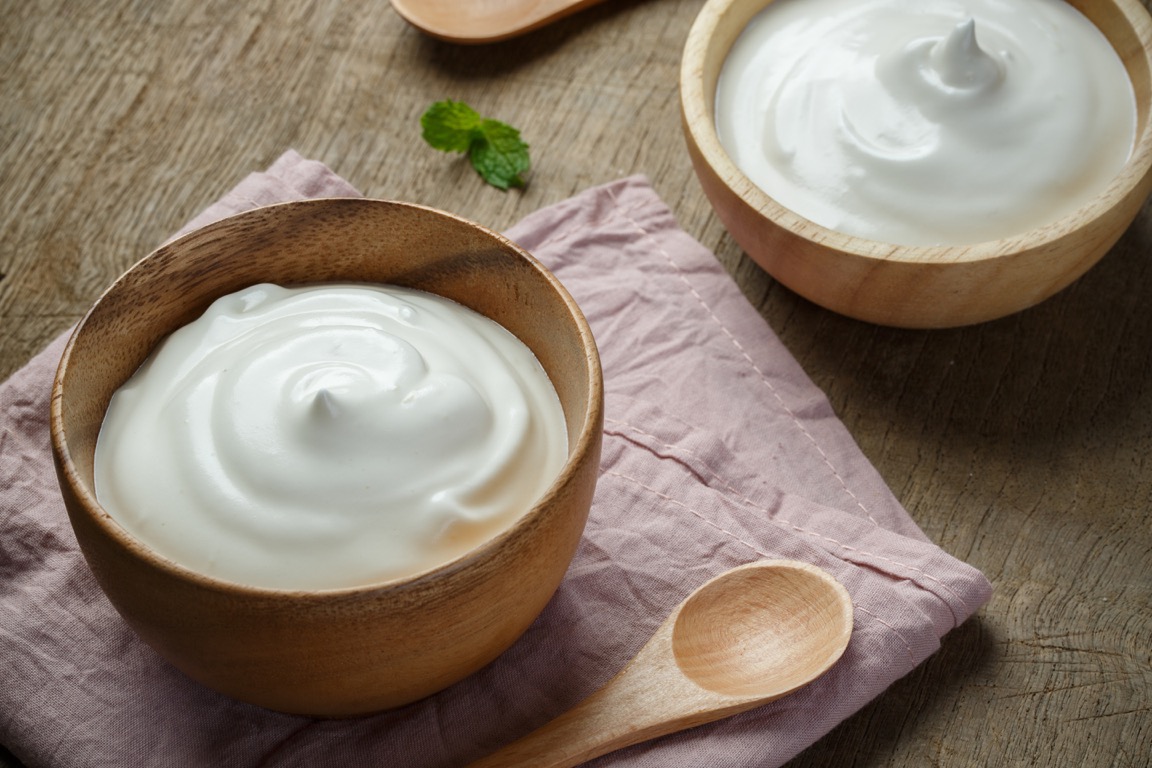
If you’ve ever dipped your yoghurt spoon in the creamy delight known as real Greek yoghurt, the taste sensations are tantalizing. Protein-rich and an excellent source of calcium, Greek yoghurt is both delicious and nutritious offering many health benefits. This amazing superfood not only has a taste of its own but a classic history to match. The cuisine of ancient Greece included oxygala, a dairy product and form of yoghurt in 5th Century Greece enjoyed with honey. There are even ancient references, as far as India, describing yoghurt as ‘food of the gods.’  Word travels, then and now. Today, Greek yoghurt … Read more

Tags:

The value of The Greek Breakfast

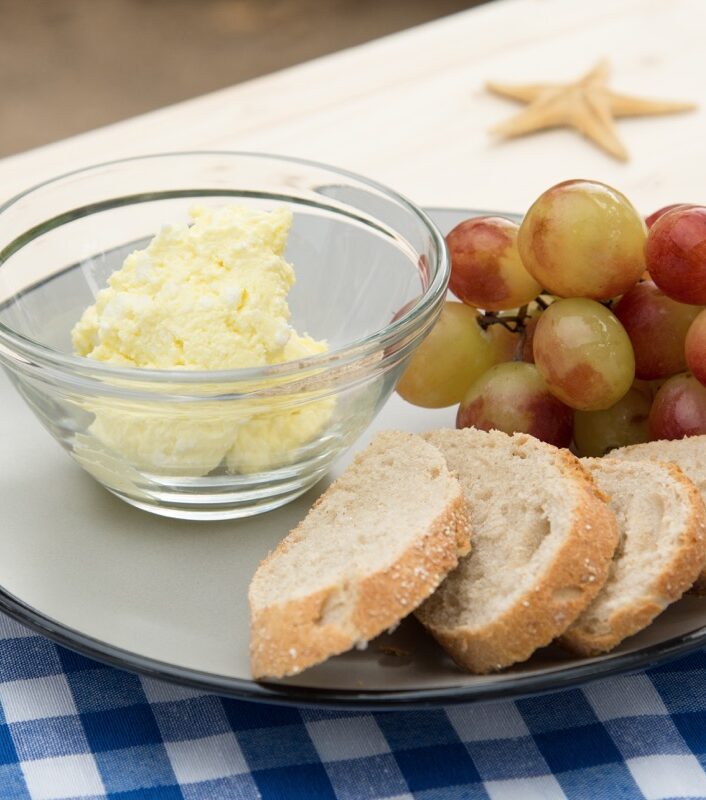
Wake up to The Greek Breakfast and enjoy a delicious, nutritious array of certified local products and specialties. Real Greek yoghurt, pure honey, the freshest fruits, free-range eggs and traditional marmalades are just some of the Greek superfoods to boost your energy for the get up and go to start your day. The Greek Breakfast is a chance to experience the tasty dishes of a locale and explore regional gastronomy. You’ll discover local specialties, products and recipes; some so treasured they’ve barely left the family kitchen. The Greek Breakfast introduces you to the history and culture of the regions of … Read more

Tags:

Chios mastic

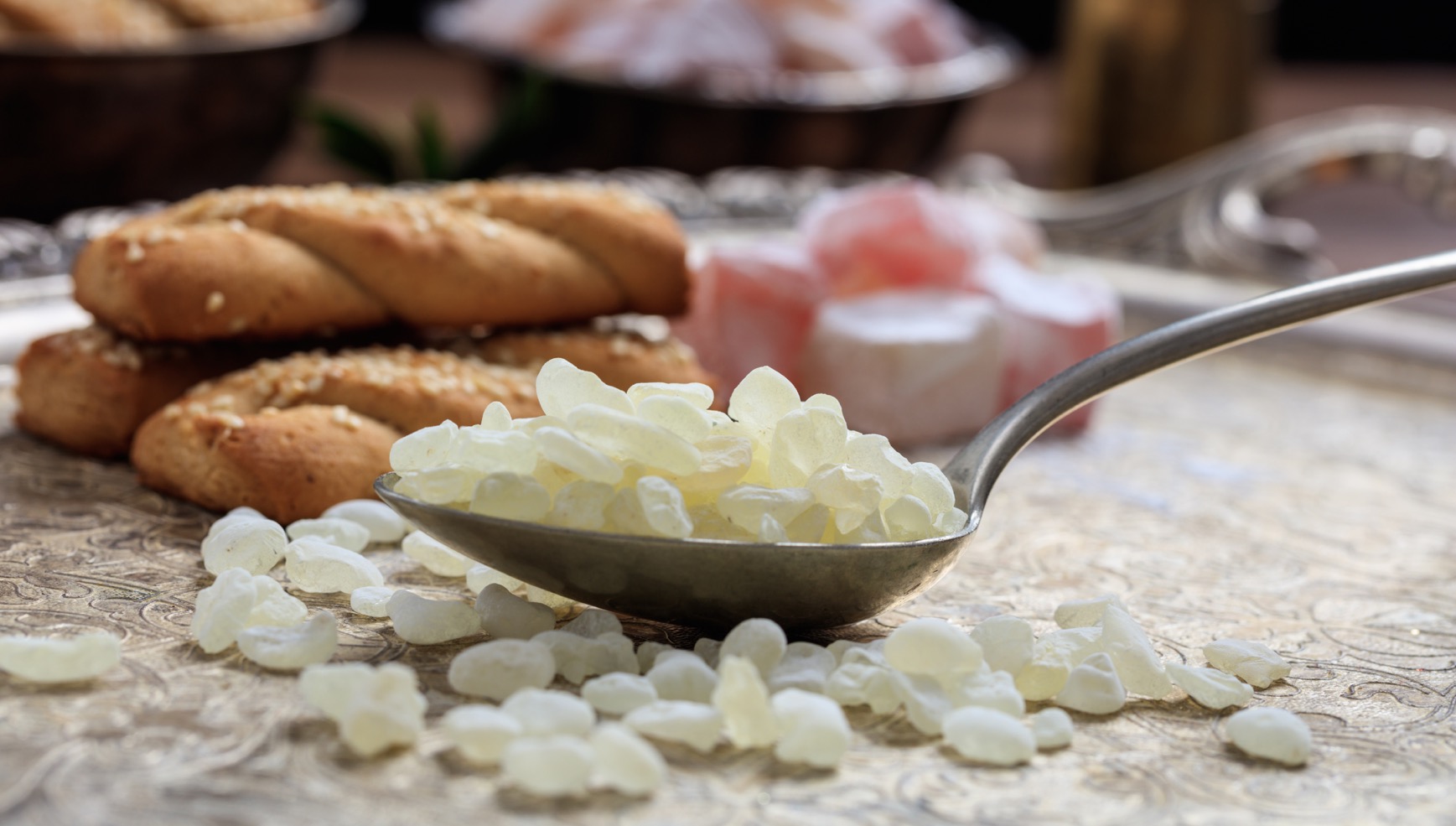
Sometimes Greek Nature truly surprises with its gifts. A small evergreen tree growing in a specific area in the southern part of Chios, an Eastern Aegean island, seems to have just appeared thousands of years ago. Although found in countries around the Mediterranean Sea, only this variety produces the unique mastic sap.   Somehow the ancients knew the tree was born for greatness. The mastic tree, Pistacia lentiscus, yields sap by making incisions in the bark forming translucent, teardrop shape chunks of resin, which is known internationally as Chios mastic. Hippocrates suggested its health benefits, the Genovese (14th century) built medieval … Read more

Tags:

Greek Honey

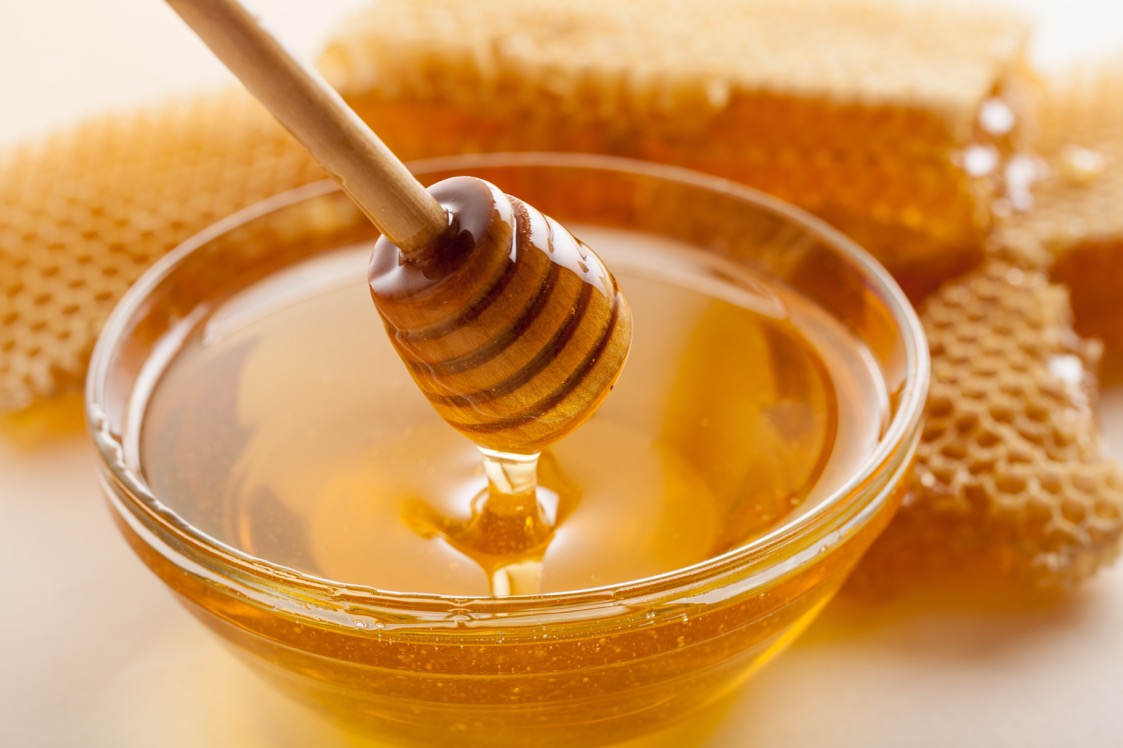
The taste of pure Greek honey is unforgettable. Who could resist a refreshing bowl of creamy yoghurt with a drizzle of honey or a generous spread of the ‘nectar of the gods’ on more than one slice of freshly-bake, breakfast bread. In antiquity, this Greek superfood was cherished not only as a traditional sweetener for food and drink but for its health benefits. Melikrato was a mixture of honey and milk given to growing children and, if ancient storytelling holds true, the Thrace born philosopher, Democritus, lived to 90 (some writers suggest 104) because he enjoyed an habitual diet of … Read more

Tags:

The Greek Pita Pie

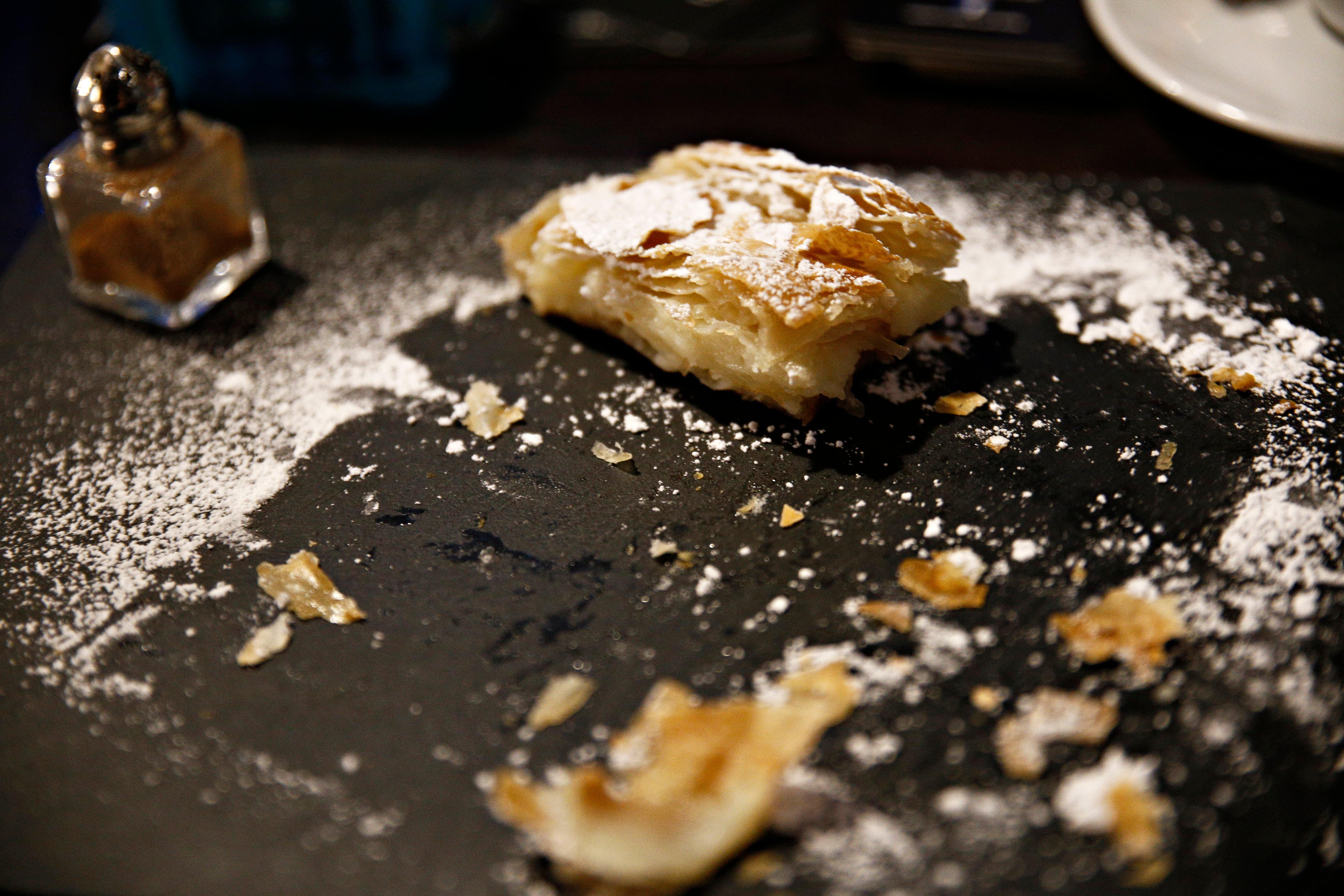
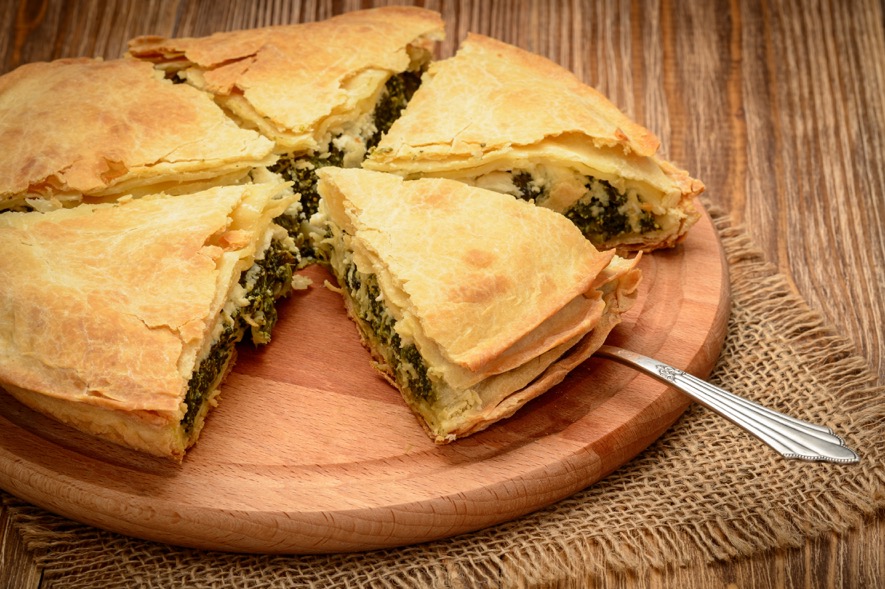
Everybody has a favorite Greek pita pie, or two or three, because the choice of fillings, both savory and sweet, is almost endless creating a tasty treat wrapped in layers of buttered, filo dough. The traditional pita pie has a special place on the daily Greek table. It is sometimes savory, sometimes sweet, with sheet dough or not, almost always baked in the oven and, less frequently, fried. The word appears in Greece in the Middle Ages. Pita also refers to a type of round, unleavened flatbread (pita with slouvaki, pita with gyro). All varieties of pita pies are made … Read more

Tags:

Bread in Ancient Greece

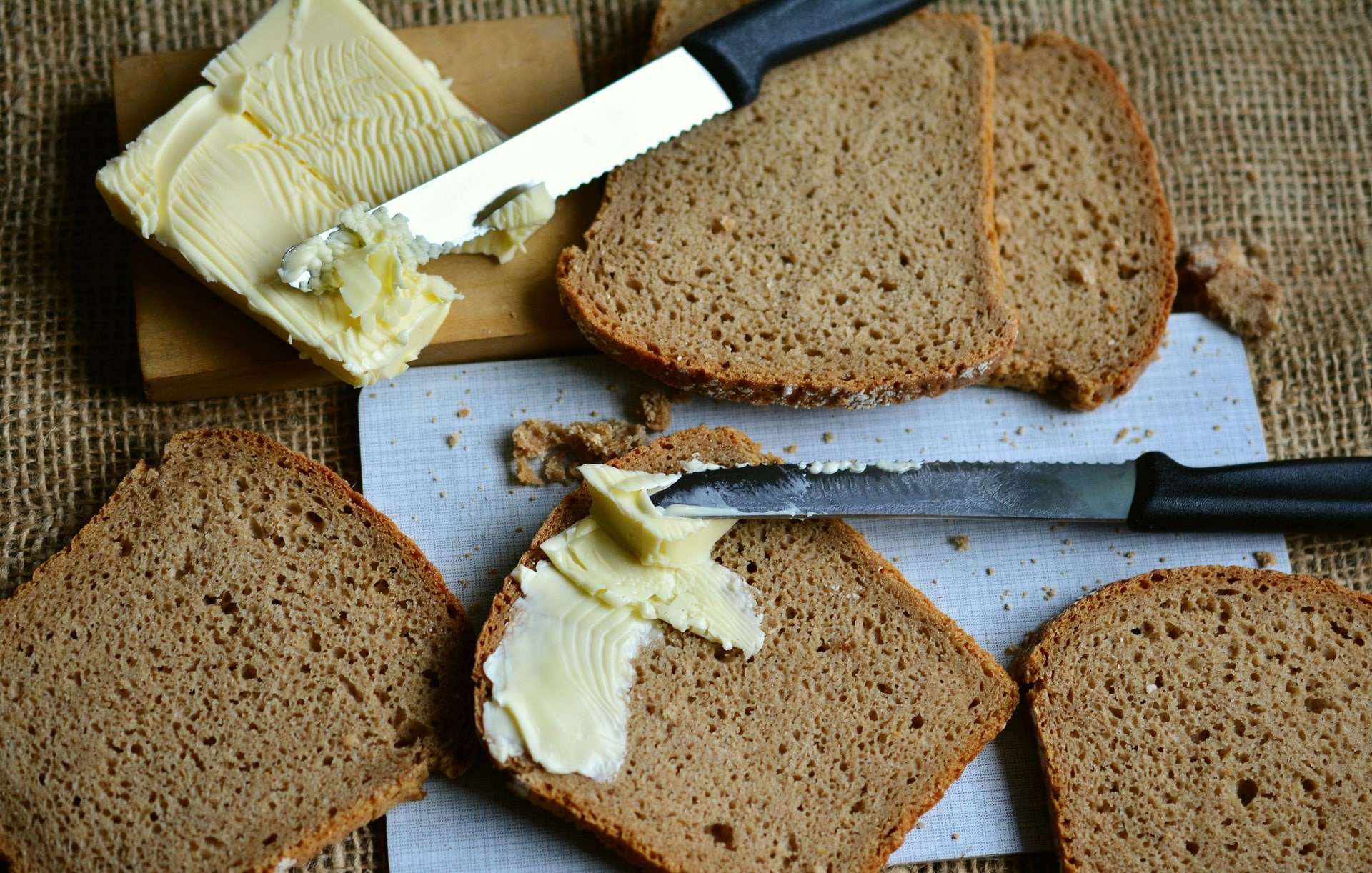
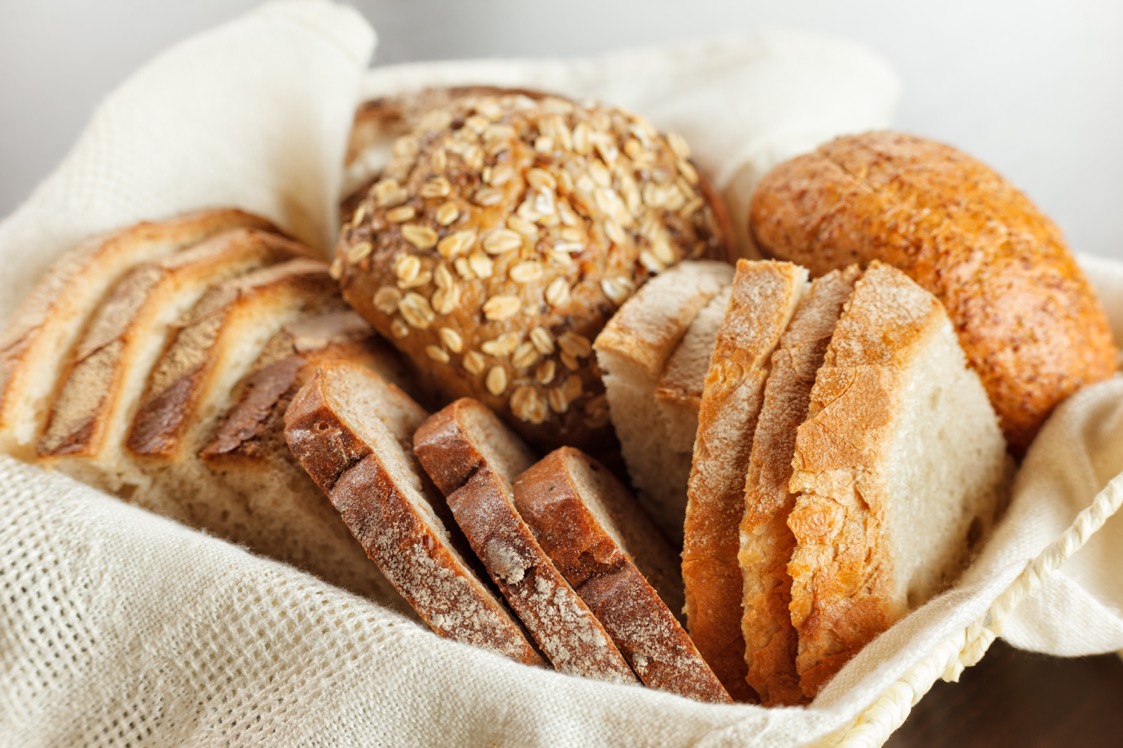
A day in the life of the ancient Greeks started at early rise with barley bread dipped in wine and, perhaps, a few figs or olives. This may sound ‘spartan’ compared to today’s full breakfast but Athenaeus, 2nd-3rd Century AD grammatist, names a long list of different breads in The Deipnosophistae  (dinner table philosophers), sometimes called the oldest surviving cookbook, that underlines the importance of bread in ancient Greek life. Bread played a vital role at the table for nourishment and health (there were three daily meals). There were special breads and cakes for all occasions, such as celebrations, entertainment and … Read more

Tags: