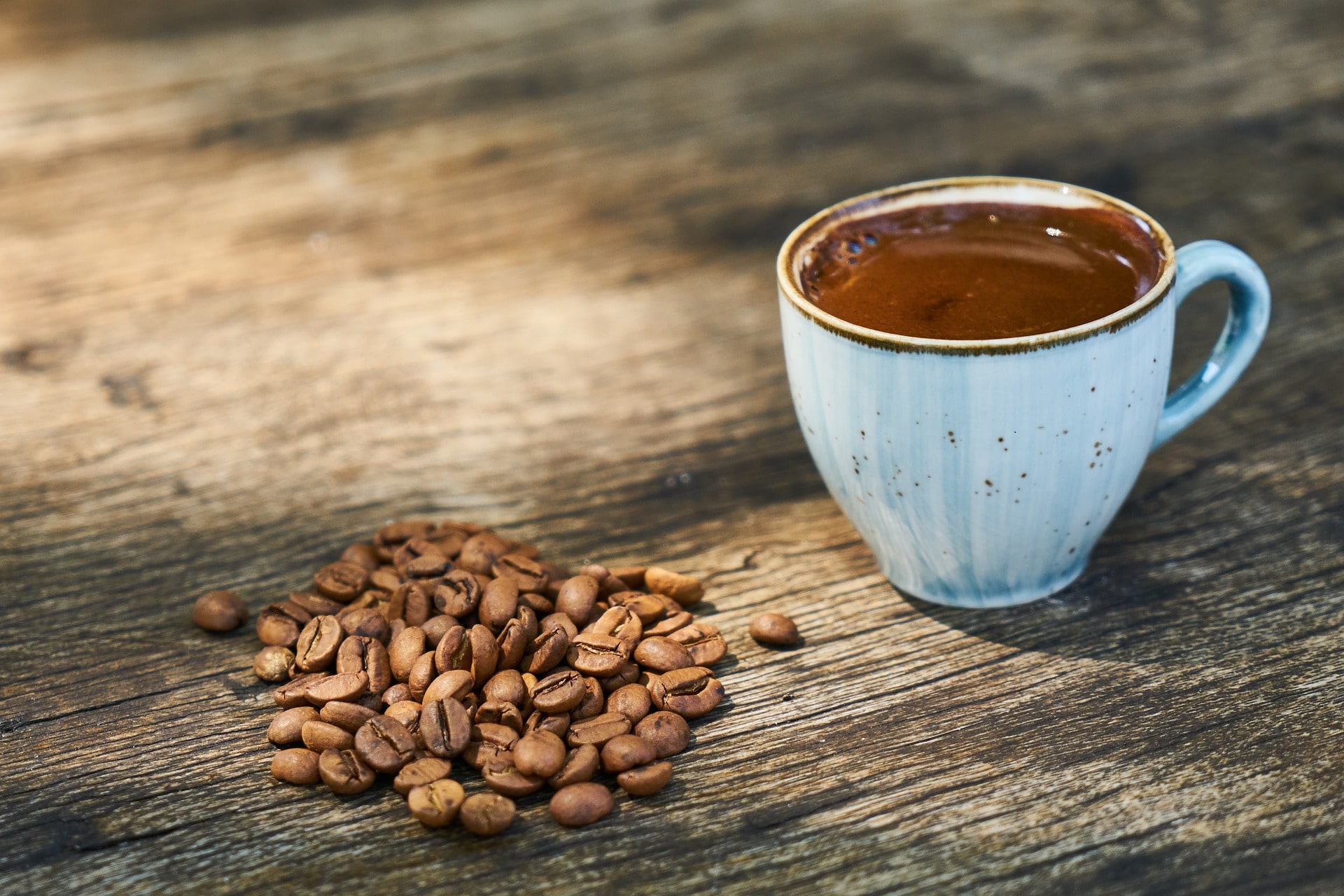
Greek coffee
Sweet or bitter, with blisters on its kaymak or without, on the coals or in the brig, there are many ways to “bake” and enjoy Greek coffee often characterized as “meraklidikos” (which means that is made with passion) or used for consolation since according to custom it is served at funerals with brandy and nuts. Greek coffee has officially been recognized by UNESCO as part of the Intangible Cultural Heritage of Turkey, but we also find it as part of the Greek, Armenian, Arabic, Cypriot or Middle Eastern tradition, as it is the coffee that has been consumed more than any other type of coffee in many parts of the Eastern Mediterranean, the Middle East, the Balkans and North Africa, so its paternity was and remains a point of contention. Some distinguish Greek from Turkish coffee, pointing out that Greek has a finer grind than Turkish, which is called coarse and roasted.
In recent years, considerable attention has been given to the health benefits of Greek coffee. Rich in antioxidants, it has been shown to contribute to improved endothelial function, thereby reducing the risk of myocardial infarction. Studies suggest that consuming one cup of Greek coffee per day may lower the risk of stroke as well as certain types of cancer. Complementary research conducted on the Greek island of Ikaria—particularly in villages known for their exceptionally long-lived residents with few serious health issues—has linked Greek coffee consumption to longevity.
Preparing Greek coffee requires time, patience, and care. It must be removed from the heat at precisely the right moment, just before it boils over, in order to preserve its crema and golden color. Its intense, distinctive aroma completes the experience. Experts recommend drinking coffee primarily in the morning, as caffeine affects cortisol levels, the hormone responsible for alertness. It is therefore no coincidence that Greek coffee is an integral part of the traditional Greek breakfast.